Independent teardown of a public out-of-home campaign. This brand is not a MagicView customer.
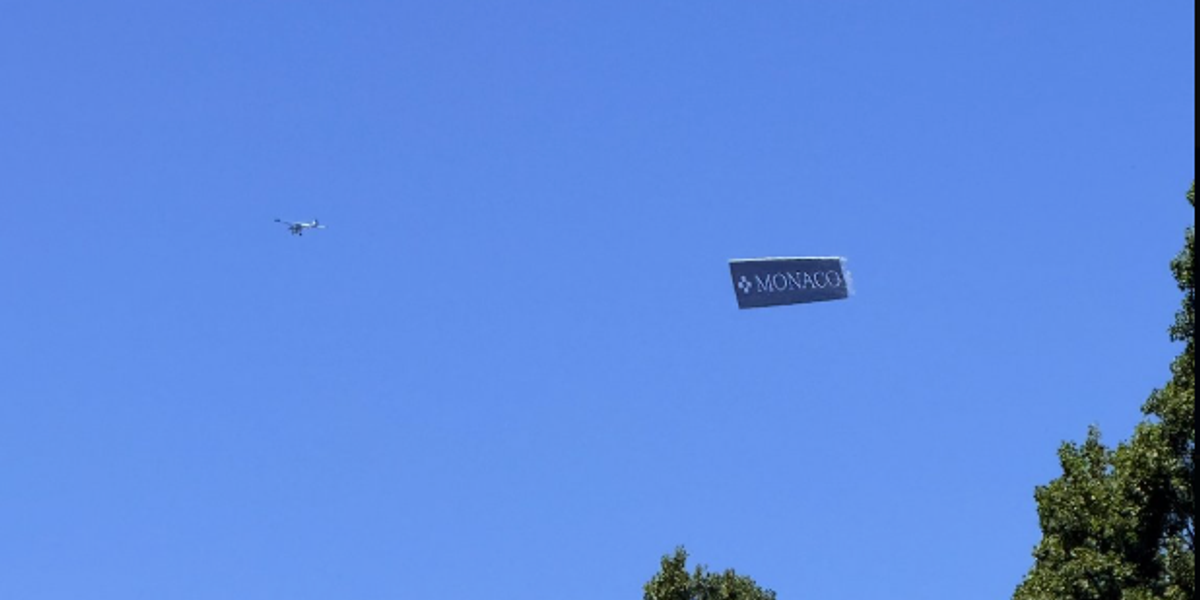
"This is a public teardown analyzing Monaco's billboard marketing strategy. MagicView is not affiliated with Monaco."
Most billboard campaigns in San Francisco are easy to ignore. They blur into the background somewhere between a freeway merge and your fifth coffee of the day. Monaco's plane did the opposite. It broke the pattern.
In a June 3, 2026 X post, Monaco co-founder Sam Blond explained why the company put a banner plane over San Francisco, what it cost, and why he thinks it worked better than a typical six-figure out-of-home buy. Original source: https://x.com/samdblond/status/2062312190028460051
The most useful part of the thread is not the stunt itself. It is the logic behind it. Blond is basically making a case for a very specific kind of out-of-home play: buy attention where the city has no muscle memory yet.
The economics were more reasonable than most people assumed.
Blond said the plane cost about $6,000 per day. That covered six hours of flight time, with up to two of those hours spent getting from the airport to San Francisco and back, plus a refuel during the day. Framed against a premium Highway 101 billboard at roughly $120,000 per month, his point was simple: Monaco could run the plane for about 20 days for the price of one premium static placement.
That matters because people often treat aerial ads like pure founder theater. Expensive, flashy, maybe fun, probably wasteful. Blond pushed back on that. His argument was that the cost is closer to a real media test than most operators expect, especially if the alternative is a crowded premium corridor where every other startup is fighting for the same glance.
The second point was about impression quality, not just impression volume.
Out-of-home media is usually sold on impressions. How many people are expected to pass by the ad. Blond's thread makes the more interesting point: not all impressions are equal. A commuter might drive past 50 billboards on 101 and remember none of them. A banner plane over downtown San Francisco is different because it still feels unusual. You notice it precisely because it does not belong to the background yet.
That is the heart of the campaign. Monaco did not just buy visibility. It bought interruption.
In practice, that means the plane likely generated fewer total impressions than the largest static placements, but a higher percentage of those impressions probably turned into actual recall. People looked up. They took photos. They texted friends. They brought it up on calls. That kind of behavior matters because the best out-of-home campaigns do not end at the roadside. They leak into conversation.
Blond was careful about one thing: he did not pretend the result was perfectly measurable.
He said the impact was hard to measure, which is the honest answer. Out-of-home attribution is messy even when you have clean URLs, QR codes, or lift studies. A plane over the city is even fuzzier. But he also said the anecdotal evidence was unusually strong. Monaco received a flood of messages with pictures of the plane, and the campaign kept coming up in conversations with people in San Francisco. His claim was not "we have a beautiful attribution model." It was "people keep talking about this, and that almost never happens with normal paid advertising."
That is a useful distinction. Plenty of campaigns can generate exposure. Very few generate ambient chatter.
The first-mover piece may be the biggest lesson in the whole thread.
Blond said the biggest reason the plane worked was that nobody had really done this in San Francisco before, at least not at a level that stuck in the market's memory. He mentioned that aerial advertising is more common in places like Miami Beach, but he had not seen it become part of the San Francisco startup playbook. Monaco got there first, and first matters.
That does not mean the format will stay special forever. It will not. If five more startups copy this next month, the novelty curve starts to flatten. But first movers keep the association. Even if competitors follow, Monaco gets credit for kicking the door open. That is how a media test turns into brand memory.
There is also a broader lesson here for startup marketing teams. If you are going to spend real money on paid awareness, it is usually a mistake to buy the exact same shape of attention everyone else is buying. You end up paying a premium to look interchangeable. Blond's closing point was blunt and worth keeping: if you want paid advertising to go viral, you have to try something new. Take some risk. Be creative. Otherwise you are paying a lot of money just to resemble every other company with a billboard on a highway.
That does not mean every startup should go book a plane tomorrow. The tactic only makes sense when the market, geography, and brand all line up. But the framework travels well:
- Find a format the audience is not numb to yet.
- Compare it against the true cost of the boring default.
- Judge success by recall and conversation, not raw impression math alone.
- Move early enough that the market still assigns the idea to you.
Monaco's aerial campaign worked because it made a familiar channel feel surprising again. In out-of-home, that is half the battle.
If you want to pressure-test a similar out-of-home idea without getting lost in the usual billboard maze, MagicView is built for fast comparisons, flexible launch timing, and startup-speed execution: https://www.magicview.com/
Handpicked content to kickstart your campaign.
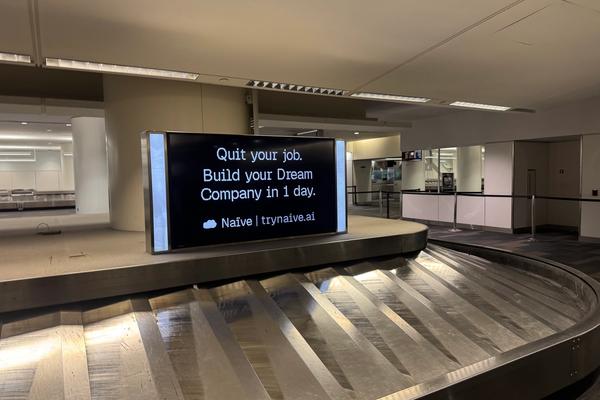
How an AI startup used two of the Bay Area's most iconic locations to challenge the traditional startup grind and reach the founders who needed to hea...
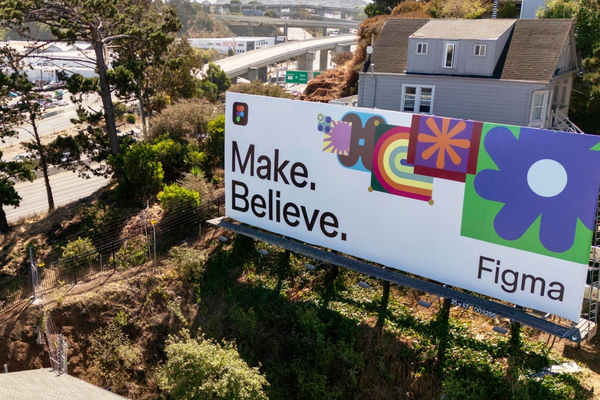
A public teardown of Figma's billboard strategy targeting developers in San Francisco. Learn how tech-focused outdoor advertising drives engagement an...
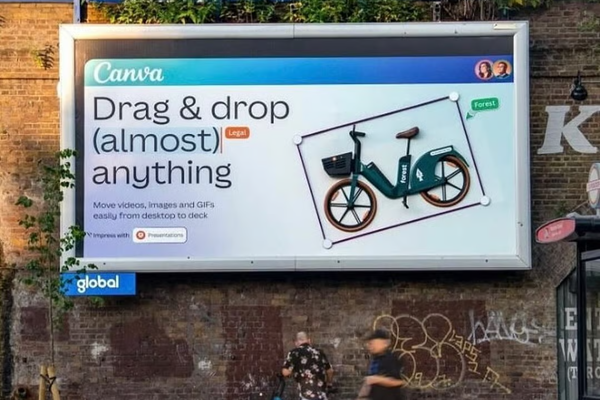
Discover how Canva's clever startup billboard campaign at London's Waterloo Station used design humor to demonstrate product features and capture glob...